Documentation
February 21, 20267 min read
How to Evaluate a Documentation and Training Partner
Choosing the wrong documentation partner is expensive. Here's how to evaluate them before the contract is signed.
Read This Article
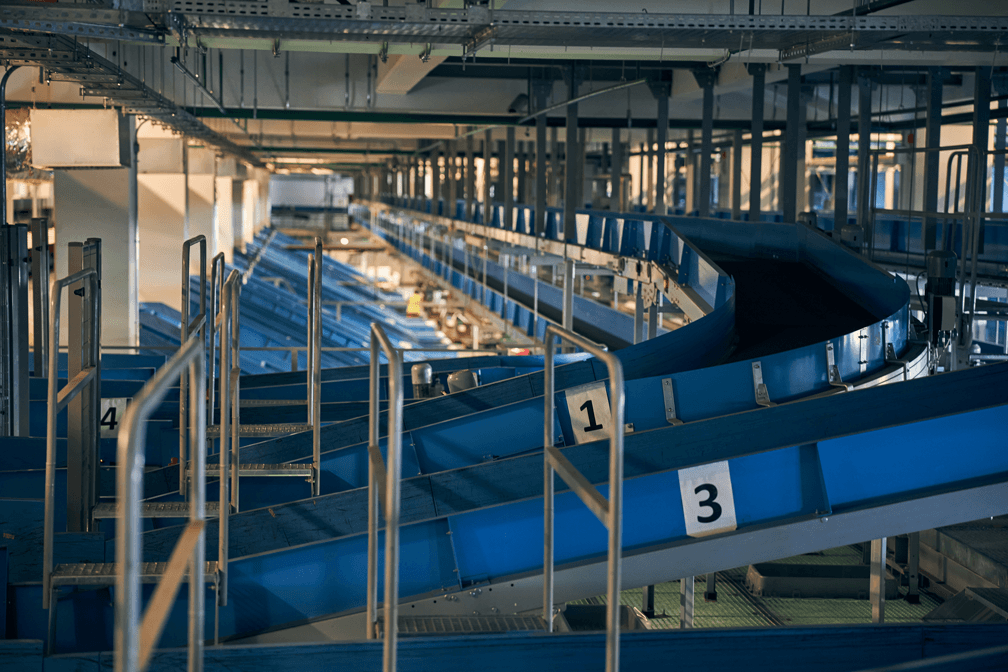
Most maintenance procedures live in binders, PDFs, or somebody's head. Written SOPs have their place, but they fall short when a technician is standing in front of a machine trying to figure out how to remove a diverter shoe, re-tension a belt, or replace a sensor in a tight space. The gap between what a written procedure describes and what a technician actually needs to see is where mistakes happen, time gets wasted, and frustration builds.
A written removal and replacement procedure might say 'disconnect the cable harness and remove the four mounting bolts.' That's accurate. It's also incomplete. Which cable harness — the one behind the guard panel or the one under the conveyor frame? Which four bolts — and in what order, to avoid dropping a 40-pound assembly? Video eliminates the ambiguity. A technician sees exactly where to position their hands, which tools to use, and what the component looks like when it's properly seated. No interpretation required.
When we film on-site at a customer's facility, the scope almost always goes beyond training. The most requested video types fall into a few categories:
Each of these serves a different audience and a different moment. An operations video is for the operator starting their shift. A troubleshooting video is for the maintenance tech responding to a fault. An R&R video is for the technician with the wrench in hand. The common thread is that all of them benefit from showing rather than telling.
For integrators and OEMs, video is increasingly showing up in end-user specifications. Customers don't just want a binder of procedures — they want visual documentation their teams can actually use. Filming maintenance procedures on-site during commissioning or installation means the content reflects the as-built configuration, not a generic version from engineering. When the end-user's spec requires video-based maintenance documentation, delivering it at handover puts you ahead of competitors who are still delivering text-only manuals.
One of the most valuable outcomes of filming maintenance procedures is the library you build over time. A single site visit might produce 15 to 20 individual procedure videos. Organized into a structured course on an LMS, those videos become a permanent reference library that every technician on every shift can access. New hires watch the R&R procedures before they ever touch the equipment. Experienced technicians pull up the troubleshooting guide when they hit an unfamiliar fault code. The content doesn't expire when the trainer leaves the building.
Every time a technician calls a senior colleague to walk them through a procedure, that's two people tied up instead of one. Every time a maintenance task takes twice as long because the written SOP left out a critical detail, that's unplanned downtime. Every time a new hire makes an avoidable mistake because they've never seen the procedure performed correctly, that's a parts cost, a safety risk, or both. The cost of filming is a one-time investment. The cost of not filming is ongoing.
The best starting point is your most frequent maintenance task — the procedure your team performs weekly or monthly that still trips up newer technicians. Film that one first. When you see the impact on training time and error rates, the business case for the next ten videos writes itself.
SANTECH films on-site at your facility and delivers polished, structured video content through our LMS or as SCORM packages for yoursLearn more about our Video Production serviceslivers polished, structured video content through our LMS or as SCORM packages for yours.
Let’s discuss how SANTECH can help modernize your technical documentation and training programs.