If you've decided to outsource documentation or training, the next decision matters just as much: who do you hire? The wrong partner doesn't just produce bad deliverables — they consume your engineers' time, miss your deadlines, and leave you with content that has to be redone. Choosing the wrong documentation partner is expensive. Here's how to evaluate them before the contract is signed.
Industry Experience
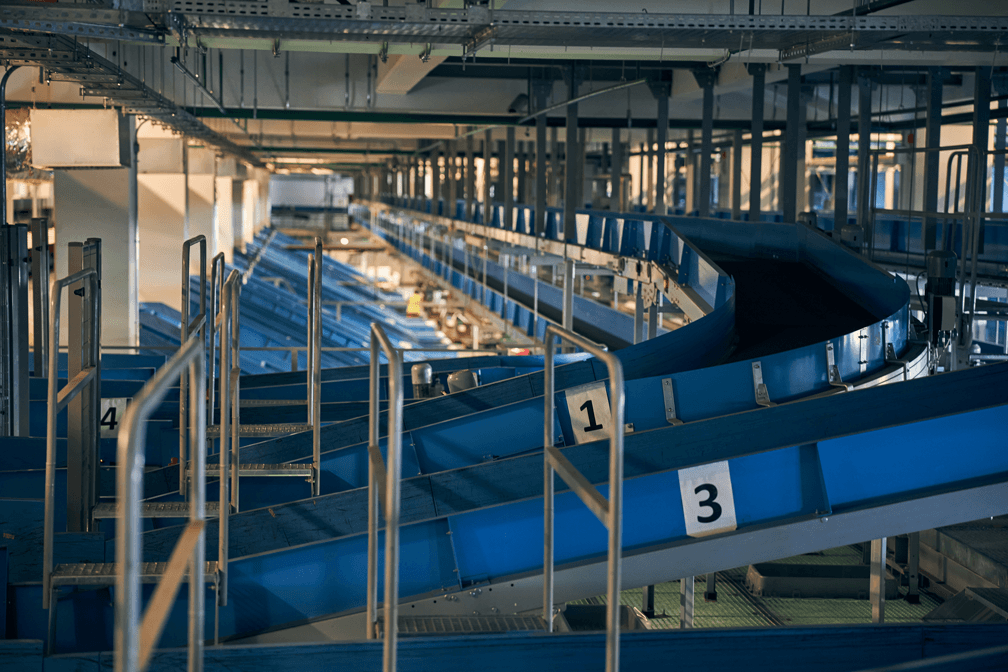
Do they know your equipment, your end users, and your industry? A generalist technical writing firm might produce grammatically correct content, but if they've never documented a sortation system or a conveyor line, they're going to spend weeks learning what your team already knows — on your dime. Look for direct experience in your vertical. A partner who's been on a plant floor will ask better questions during kickoff and require less hand-holding from your SMEs.
Tool Proficiency
Professional documentation and training require professional tools — structured authoring platforms, illustration software, eLearning development environments, video production equipment. Your partner should already own these tools and know how to use them. If they're planning to learn a new platform on your project, or asking you to provide software licenses, that's a signal they don't do this at scale.
Proposal-Ready Deliverables
Can they show you samples that match your scope? Not marketing brochures — actual deliverables similar to what they'd produce for you. If you need an operations manual for an automated parcel sorting system, they should be able to show you one for comparable equipment. If they can't demonstrate the final product before the project starts, your project is their learning experience.
Ability to Scale
Documentation and training needs are rarely steady. You might need a full documentation set for a major installation, then nothing for three months, then a rush job for a customer who moved up their timeline. A good partner can ramp up for a large project and scale back when the work is done — without you carrying the overhead in between. Ask whether they have enough writers, designers, and illustrators to handle your peak workload without bottlenecking the project.
Understanding of End-User Specifications
This is where many partnerships fall apart. Your end users often have stringent specifications for documentation and training — format requirements, content structure, compliance standards, delivery formats. These aren't suggestions; they're contractual obligations. The right partner has worked with similar end-user specs before, knows what auditors actually check, and can tell you upfront whether your current approach will pass review.
Communication and Project Management
How do they handle kickoffs, status updates, SME access, and review cycles? Documentation projects involve constant coordination between your engineers, the writing team, and your customer. A partner who can't manage that process will create more work, not less. Look for a clear methodology — how they run kickoffs, schedule SME interviews without disrupting your engineers, and escalate when blocked. You're hiring someone to own the process, not someone you need to manage.
Revision and QA Process
Every deliverable should go through technical review, editorial review, and QA before your team ever sees it. If the first draft is full of errors, their QA process is weak or nonexistent. Equally important: how do they handle your feedback? A good partner incorporates revisions efficiently, tracks changes, and knows the difference between a legitimate revision and a scope change that warrants a conversation.
At SANTECH, we built our practice around these criteria because we've seen what happens when they're missing. We work with OEMs and system integrators who need documentation and training that meets stringent end-user specs, delivered on tight project timelines, by a team that already knows the equipment and the industry. If you're evaluating partners for an upcoming project, we're happy to show you exactly what we deliver — and how we deliver it.